
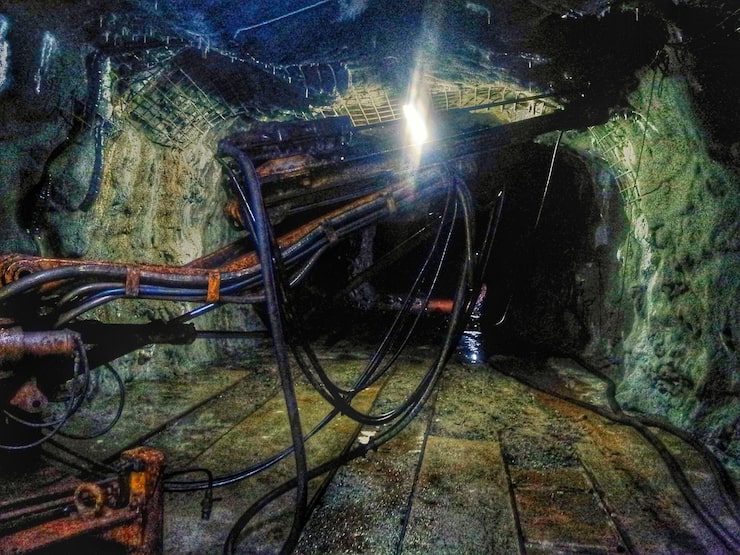
Urban transit systems are the arteries of modern cities, moving millions of passengers daily through complex underground tunnels. Ensuring the safety and efficiency of these networks requires constant monitoring and instant communication. Implementing a comprehensive ground based communication network ensures that even deep underground, where cellular signals fail, the flow of critical data remains uninterrupted.
Overcoming Signal Loss in Tunnels
Commuters are all too familiar with the frustration of losing cell service the moment a train enters a tunnel. For transit operators, this signal loss is a safety hazard. Traditional wireless repeaters are expensive to install and maintain. Ground-based systems utilize the tunnel structure and surrounding soil to propagate signals, ensuring a redundant link that covers “dead zones” where other frequencies cannot reach.
Emergency Response Coordination
In the event of a fire, derailment, or power outage, communication is the first line of defense. If the tunnel’s power grid fails, standard Wi-Fi and radio repeaters may go offline. A ground-coupled system, often battery-backed and independent of the main grid, ensures that emergency responders can coordinate rescue efforts with the control center without relying on compromised infrastructure.
Structural Health Monitoring
The safety of a metro system depends on the integrity of its tunnels. Ground sensors can continuously monitor for vibrations indicative of soil shifting, water ingress, or structural fatigue. This real-time data allows engineers to identify potential collapse risks or maintenance needs long before they become visible to the human eye, preventing catastrophic infrastructure failures.
Smart Tunnel Infrastructure
Modernizing public transport involves integrating “Internet of Things” (IoT) technologies into the physical environment. Ground coupled communication serves as the backbone for this smart infrastructure. It connects sensors on the tracks, walls, and trains into a unified system that optimizes traffic flow and reduces delays caused by technical glitches.
reducing Maintenance Costs
Predictive maintenance is far cheaper than reactive repairs. By constantly analyzing the vibration data transmitted through the network, operators can pinpoint exactly which section of the track needs grinding or which ventilation fan is unbalancing. This targeted approach reduces the need for blanket inspections, saving the city millions in labor and operational downtime.
Passenger Information Systems
While primarily for safety, these robust networks can also support passenger information services. By ensuring a reliable data stream throughout the tunnel, operators can provide real-time updates on arrival times and delays directly to displays on the train. This improves the overall passenger experience and reduces the anxiety associated with underground travel.
Conclusion
A reliable communication framework is the foundation of a safe and efficient public transit system. By leveraging ground-conducting technology, metro operators can overcome the physical limitations of the underground environment. This ensures that safety protocols are always active and that the system is resilient against power failures.
Investing in this invisible infrastructure pays dividends in passenger safety and operational efficiency. As cities continue to expand their subterranean networks, the need for robust, through-earth communication will become a standard in civil engineering. It is the key to building the smart, connected cities of the future.