
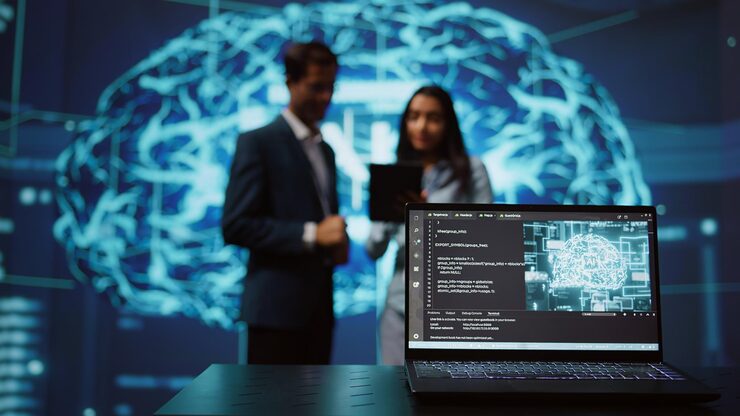
Synthetic media threatens modern business security. Criminals use artificial intelligence to forge video and audio files. These fakes trick employees into moving money or sharing corporate secrets. Organizations must find tools to catch these threats before they cause damage. Modern security teams now watch for these digital fakes.
Threat actors target corporate networks through fake digital identities. They exploit trust during live video calls and audio messages. Security teams need tools to analyze files and check for altered media. This approach shields the network from social engineering attacks. Companies use specialized platforms to maintain trust and protect assets.
Why Every Company Needs Deepfake Protection Now
Fakers alter videos and audio clips to impersonate chief executives. These attacks cost companies millions of dollars in financial losses. Bad actors trick staff into executing urgent wire transfers. Standard filters often fail to catch these advanced files. Businesses need systems that provide clear threat intelligence.
Digital security depends on clear evidence and file verification. Companies must inspect video frame metrics and audio track patterns. Fraud items look real but contain small digital flaws. Specialized software spots these errors and generates clear reports. Investing in Deepfake Protection helps security teams identify these altered files.
Identifying a Deceptive Deepfake Job Applicant
Remote work shifts hiring to online video interview rooms. This change creates an entry point for corporate espionage. Bad actors use fake faces during live screening calls. They seek jobs to gain access to internal code and data. HR managers face a new challenge when they evaluate remote talent.
Fraudulent candidates use fake video feeds to hide their true identity. They pretend to possess specialized technical skills. An unverified Deepfake Job Applicant can plant malware once inside the company system. Hiring teams must check for sync issues between lips and sound during interviews. Checking video feeds reduces this risk.
How Deepfake Protection Stops Media Fraud
Software platforms inspect digital items for fake traits. These systems check lighting changes and skin tones in video files. They look at voice rhythm patterns in audio tracks. This analysis exposes files that creators alter with neural networks. Security teams get alerts about suspicious data files.
Threat tools help security groups build defenses against data fraud. Workers learn to doubt unexpected requests from top executives. The software provides facts about file integrity to prevent mistakes. Teams stop media fraud by verifying every video communication. This defensive layer preserves cash reserves and brand reputation.
Red Team Tactics for Deepfake Protection
Red teams test network defenses by simulating realistic cyber attacks. They generate fake media to test employee awareness. This practice reveals weak links in corporate communication paths. Security managers use these findings to update threat response rules. Simulation helps teams prepare for real text and voice fraud.
Testing reveals how staff handles urgent requests from senior leaders. Red team exercises show if workers follow verification rules. If an employee trusts a fake voice, the company updates its policy. Simulations build a strong security culture across all departments. Regular testing keeps defense teams alert to new threats.
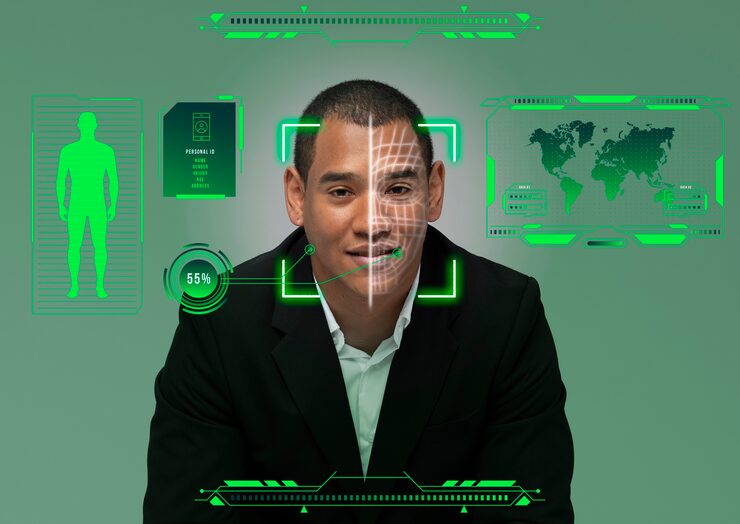
Spotting a Malicious Deepfake Job Applicant in Remote Hiring
Fraudulent candidates pose a threat to internal data systems. They use synthetic faces to bypass background screening protocols. These bad actors often work for foreign threat groups. They want to steal trade secrets or disrupt corporate operations. Security teams must monitor hiring channels to block these intruders.
Hiring teams must look for physical flaws during live video streams. Fake software often creates strange head positions or blurred hair borders. Candidates might avoid blinking during long interview conversations. Spotting these signs blocks bad actors from entering the workforce. Verification tools confirm the truth about every candidate face.
Blue Team Defense and Deepfake Protection
Blue teams defend corporate networks against active media threats. They monitor systems for data anomalies and unauthorized access attempts. Defensive teams use software to scan incoming files for fake marks. They analyze metadata and track file origins to spot danger. This continuous monitor work stops attacks in real time.
Defenders build strict verification workflows for corporate fund transfers. They require multiple forms of approval for large cash payments. Blue teams coordinate with HR to check video call tools. This work protects the brand from social engineering scams. Strong defense plans keep corporate assets safe from digital theft.
Training HR to Detect a Deepfake Job Applicant
Human resource teams require training to spot fake interview faces. They must know the signs of digital face swaps. Trainers show staff how to spot unnatural eye movements. HR workers learn to ask candidates to turn their heads. This action disrupts fake software feeds during a live call.
HR workers become the first line of defense against network penetration. Training exercises teach recruiters to verify identity papers. Staff members report suspicious video feeds to the security team. This alert system blocks unauthorized persons from getting corporate access credentials. Regular training keeps hiring processes clean.
Using Threat Intelligence for Deepfake Protection
Threat intelligence gives companies data about active attacker methods. Security teams track the latest software tools used by fakers. This data helps defenders update their detection filters. Understanding adversary goals allows companies to secure vulnerable targets. Intelligence keeps corporate systems one step ahead of threat actors.
Platforms generate detailed reports about uploaded media files. These reports list specific flaws found in video frames. Security professionals use this data to prove file forgery. Clear facts guide managers when they make security decisions. Threat intelligence builds a reliable shield for corporate communication channels.
Conclusion
Synthetic media threats require immediate action from corporate leaders. Fake files can bypass standard filters and trick staff. Companies must use specialized platforms to analyze media integrity. Training workers and testing networks lowers the risk of fraud. Secure systems preserve digital trust across the entire business market.
Protecting your business requires constant monitoring and clear threat facts. Teams must verify candidate identities during remote interviews. Checking files protects financial resources and private corporate data. Implementing solid defense tools ensures your company stays safe. Start updating your security plan to counter advanced media threats today.
Questions and Answers
Q: How do video fakes affect corporate hiring?
A: Fake video software allows unverified candidates to trick recruiters during live screening interviews. These bad actors seek corporate entry to steal data or plant malware. Companies must use specialized analysis tools to verify candidate identities and secure networks.
Q: What traits reveal a fake audio track?
A: Fake audio files often contain odd rhythm anomalies and voice clone markers. The speech might sound robotic or lack natural breath sounds. Security platforms scan these audio files to detect synthetic traces and alert defense teams about potential phone fraud.
Q: Why is employee awareness training necessary?
A: Staff members often trust realistic video calls from senior executives without checking. Training teaches workers to doubt unusual payment requests and verify file integrity. Aware employees block social engineering scams before corporate fraud occurs, saving company money.