
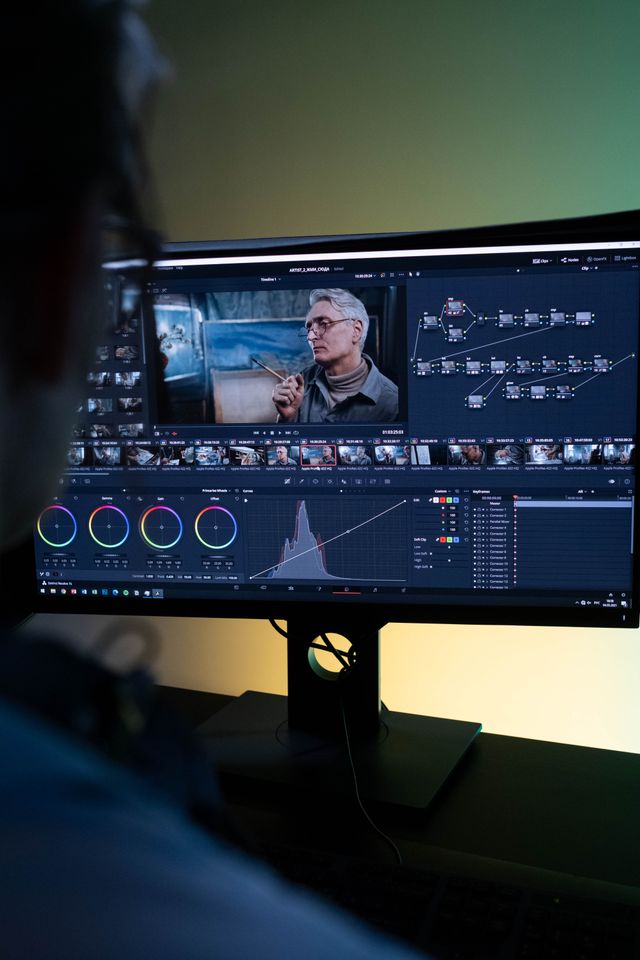
Video footage has become one of the most valuable forms of digital evidence. From surveillance cameras and body-worn cameras to dashcams and mobile devices, videos frequently play a central role in investigations. However, poor lighting, low resolution, camera movement, and compression can make critical details difficult to identify.
This is where video enhancement software becomes an essential investigative tool. Rather than altering what happened, professional forensic software is designed to clarify existing visual information while maintaining the integrity of the original evidence. When used correctly, forensic video enhancement helps investigators, analysts, and legal professionals examine footage more effectively without compromising authenticity.
What Is Video Enhancement Software?
Video enhancement software is designed to improve the quality and clarity of recorded video by applying scientifically based image-processing techniques. These tools help reveal existing details that may be difficult to see because of poor recording conditions.
Professional forensic software can assist with:
- Noise reduction
- Motion stabilization
- Deblurring
- Brightness and contrast adjustment
- Frame averaging
- Sharpening
- Color correction
- Region-of-interest enhancement
The objective is not to create new information but to make existing details easier to interpret during an investigation.
Why Forensic Video Enhancement Matters
Not every surveillance camera captures clear footage. Cameras often operate in challenging environments where lighting changes, weather conditions, distance, and recording limitations affect image quality. Forensic video enhancement helps investigators overcome these limitations by improving the visibility of evidence that may otherwise remain hidden.
Typical applications include:
- Criminal investigations
- Traffic accident analysis
- Security incident reviews
- Workplace investigations
- Insurance claims
- Public safety investigations
- Legal proceedings
Enhanced footage can make it easier to examine people, vehicles, objects, or events while preserving the original recording for verification.
Common Challenges Found in Surveillance Footage
Many videos present technical limitations that reduce their usefulness without proper enhancement.
-
Low-Light Recordings
Nighttime footage often contains heavy image noise and reduced visibility. Enhancement techniques can improve contrast and reduce visual interference, making important areas easier to examine.
-
Motion Blur
Fast-moving subjects or camera movement frequently create blurred frames. Specialized processing helps improve frame clarity without changing the underlying content.
-
Compression Artifacts
Many CCTV systems heavily compress video files to reduce storage requirements. Compression can introduce blockiness and loss of fine detail that enhancement software can often reduce.
-
Camera Shake
Handheld recordings and unstable surveillance systems may produce shaky footage. Stabilization techniques help create a steadier viewing experience for investigators.
Key Features to Look for in Video Enhancement Software
Not all enhancement tools are designed for forensic work. Software intended for investigations should prioritize evidence preservation alongside image clarity.
Important capabilities include:
-
Frame-by-Frame Analysis
Investigators often need to inspect individual frames instead of relying solely on continuous playback. Accurate frame navigation helps identify critical moments.
-
Image Clarification Tools
Professional enhancement tools provide controlled adjustments for brightness, contrast, sharpness, and noise reduction without permanently modifying the original file.
-
Video Stabilization
Reducing unwanted camera movement helps analysts focus on relevant objects and activities within the footage.
-
Zoom and Region Enhancement
Investigators frequently need to examine small portions of an image, such as license plates, clothing, or identifying features. High-quality enhancement tools allow careful examination while minimizing distortion.
-
Preservation of Original Evidence
A reliable forensic workflow always protects the original recording. Enhancement processes should generate separate working copies while maintaining a verifiable chain of evidence.
Video Enhancement vs. Video Editing
One of the biggest misconceptions is that enhancement and editing are the same process. Video editing changes content by adding, removing, or rearranging information for creative purposes.
Forensic video enhancement, on the other hand, focuses on improving the visibility of information already present in the recording. Every enhancement step should be documented so investigators can explain how the results were produced.This distinction is essential in legal environments where transparency and reproducibility are critical.
Benefits of Professional Forensic Video Enhancement
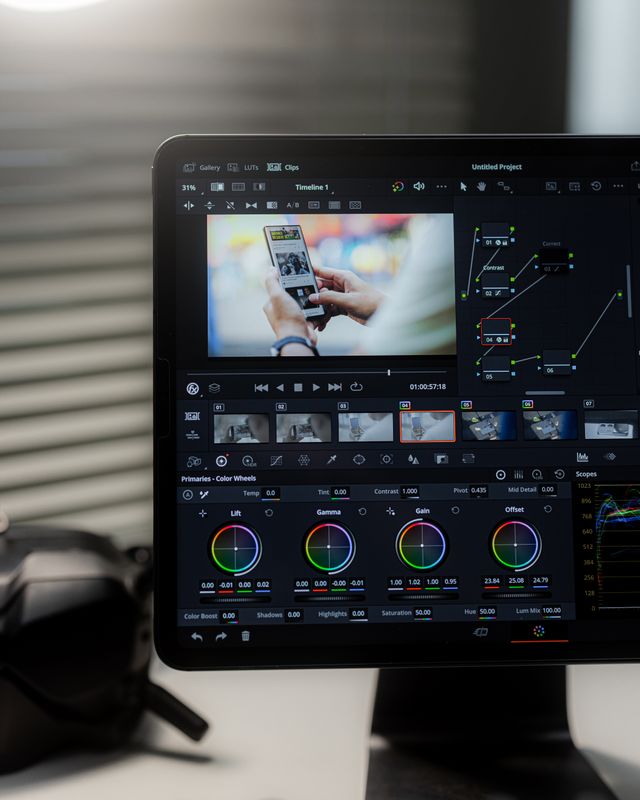
Using specialized video enhancement software provides several practical advantages.
Improved Investigative Efficiency
Clearer footage allows investigators to examine evidence more quickly and identify important details with greater confidence.
Better Collaboration
Enhanced video helps investigators, attorneys, experts, and juries understand visual evidence more easily during reviews or courtroom presentations.
Consistent Documentation
Professional forensic software supports repeatable workflows, allowing enhancement processes to be documented for future reference.
Greater Confidence in Evidence Review
When enhancement methods are transparent and scientifically supported, investigators can explain how visual improvements were achieved while preserving evidence integrity.
Choosing the Right Video Enhancement Software
Selecting the right solution depends on your investigative requirements.
Consider software that offers:
- Professional forensic workflow support
- Non-destructive enhancement methods
- Advanced image-processing tools
- Accurate frame analysis
- Comprehensive documentation capabilities
- Support for multiple video formats
- Reliable performance with surveillance footage
- Tools designed specifically for digital evidence
Organizations involved in law enforcement, forensic laboratories, security investigations, and legal analysis often benefit from software built specifically for forensic applications rather than general-purpose video editors.
Why Evidence Integrity Should Always Come First
Enhancement should never compromise authenticity. Every adjustment should be traceable, reproducible, and applied in a manner that preserves the original recording.
Maintaining both the original evidence and enhanced working copies helps ensure transparency throughout the investigative process. This disciplined approach supports accurate analysis while helping establish confidence in digital evidence during legal proceedings.
Conclusion
Modern investigations increasingly depend on video evidence, but raw footage is not always clear enough for effective analysis. Professional video enhancement software enables investigators to improve visibility while maintaining the integrity of the original recording.
When used as part of a structured forensic workflow, forensic video enhancement supports more accurate examinations, clearer documentation, and stronger confidence in digital evidence. As surveillance technology continues to evolve, reliable enhancement tools remain an important part of modern forensic investigations.